
Teeth Whitening: What Works, What Doesn't, and What's Safe
Walk down any drugstore aisle and you will find shelves of whitening toothpastes, strips, gels, and pens, all promising a brighter smile. It can be hard to know which ones actually do anything and which ones are mostly marketing. At Brighton Family Dentistry in Brooklyn, patients ask us about whitening all the time, and we think the best answer is an honest one.
This article breaks down the most common whitening methods, what they can realistically do, and what to keep in mind before you start. Our goal is to help you make a decision that fits your smile and your comfort level, not to talk you into anything.
Why Teeth Stain in the First Place
Before talking about whitening, it helps to understand why teeth change color over time. Some staining happens on the surface of the tooth, caused by things like coffee, tea, red wine, or tobacco. This type of stain sits in the outer enamel and can often be lightened with the right approach.
Other discoloration happens deeper inside the tooth, sometimes from aging, certain medications taken earlier in life, or changes inside the tooth structure itself. This kind of staining does not respond the same way to surface treatments, which is one reason results can vary so much from person to person.
Whitening Toothpastes and Strips: What They Can (and Can't) Do
Whitening toothpastes usually work with mild abrasives or gentle chemical agents that help remove surface stains during brushing. They can make a noticeable difference for light, recent staining, but they are not designed to change the natural shade of your teeth in a dramatic way.
Over-the-counter strips and gels go a step further because they contain a whitening agent that sits on the teeth for a period of time. These can lighten surface stains more effectively than toothpaste alone, but the strength is limited compared to what a dental office can offer, and results tend to be modest and temporary.
One common issue with at-home kits is uneven results. Strips do not always fit the shape of every mouth, which can leave some teeth lighter than others, especially near the gum line or between teeth.
Professional Whitening: What Makes It Different
Whitening done in a dental office uses a stronger whitening agent than what is available for home use, and it is applied under supervision so your gums and soft tissue are protected during the process. Because the strength is higher, the results are often more noticeable than what over-the-counter products can achieve.
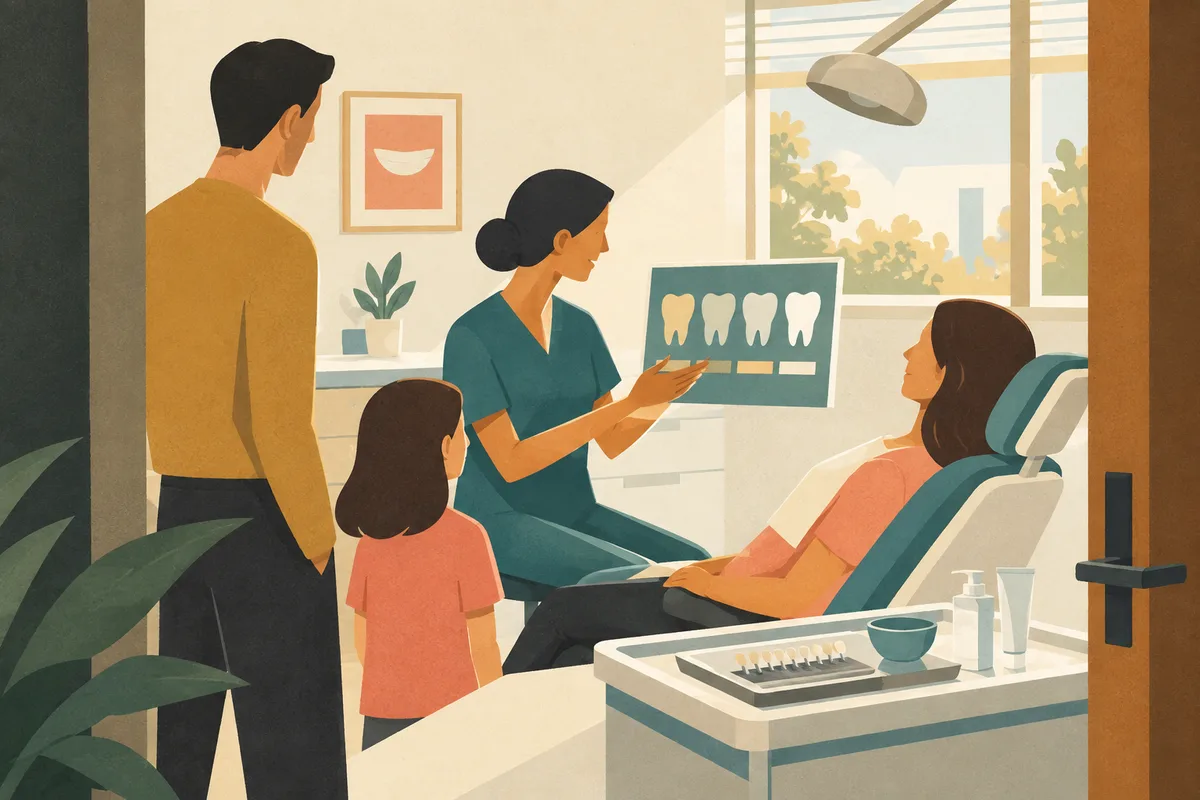
Another advantage is that a dentist can look at the color and condition of your teeth beforehand and talk with you about what kind of change is realistic. Not everyone's teeth respond the same way, and a professional evaluation helps set expectations that match your specific situation.
At Brighton Family Dentistry, teeth whitening is one of several cosmetic dentistry options we offer, alongside things like bonding and veneers for patients who want a different kind of change to their smile. If whitening alone will not get you the result you are hoping for, we can talk through other options during a visit.
Safety and Sensitivity: What to Know Before You Start
Tooth sensitivity is one of the most common side effects of whitening, whether it is done at home or in a dental office. This usually shows up as a brief zing of sensitivity to cold or hot, and it tends to settle down after treatment ends. Everyone's teeth react a little differently, so it is worth mentioning any history of sensitive teeth before starting.
Whitening is not a good fit for every mouth. If you have untreated cavities, gum disease, or cracked teeth, it is best to have those issues checked and addressed first, since whitening agents can irritate exposed areas. This is one reason a dental exam before whitening is a good idea, even if you are only using an over-the-counter product.
If you have crowns, veneers, or bonding on your front teeth, keep in mind that these materials do not lighten the way natural enamel does. Whitening the teeth around them can sometimes create a mismatch in color, which is worth discussing with your dentist ahead of time.
Keeping Your Smile Bright After Whitening
Whitening is not a one-time fix that lasts forever. The same habits that caused staining in the first place, like drinking coffee or red wine, will gradually bring some color back over time. Rinsing your mouth with water after these drinks and keeping up with regular brushing can help slow the process.
Routine cleanings also play a role, since they remove surface buildup that can dull your smile between whitening treatments. Sticking with your regular dental visits is one of the simplest ways to keep your smile looking its best long after a whitening treatment is finished.
If you are curious about whitening and want to know what to expect for your own teeth, the best next step is a conversation with your dentist rather than guessing based on a product label. Every mouth is a little different, and a quick evaluation can save you time and help you choose an option that actually fits your smile.
Questions about your own care? The team at Brighton Family Dentistry is happy to help — call us at (718) 555-0142 or request an appointment.
This content is for general information only and isn't dental or medical advice. Talk with your dentist or orthodontist about your own situation. If you have a medical emergency, call 911.