
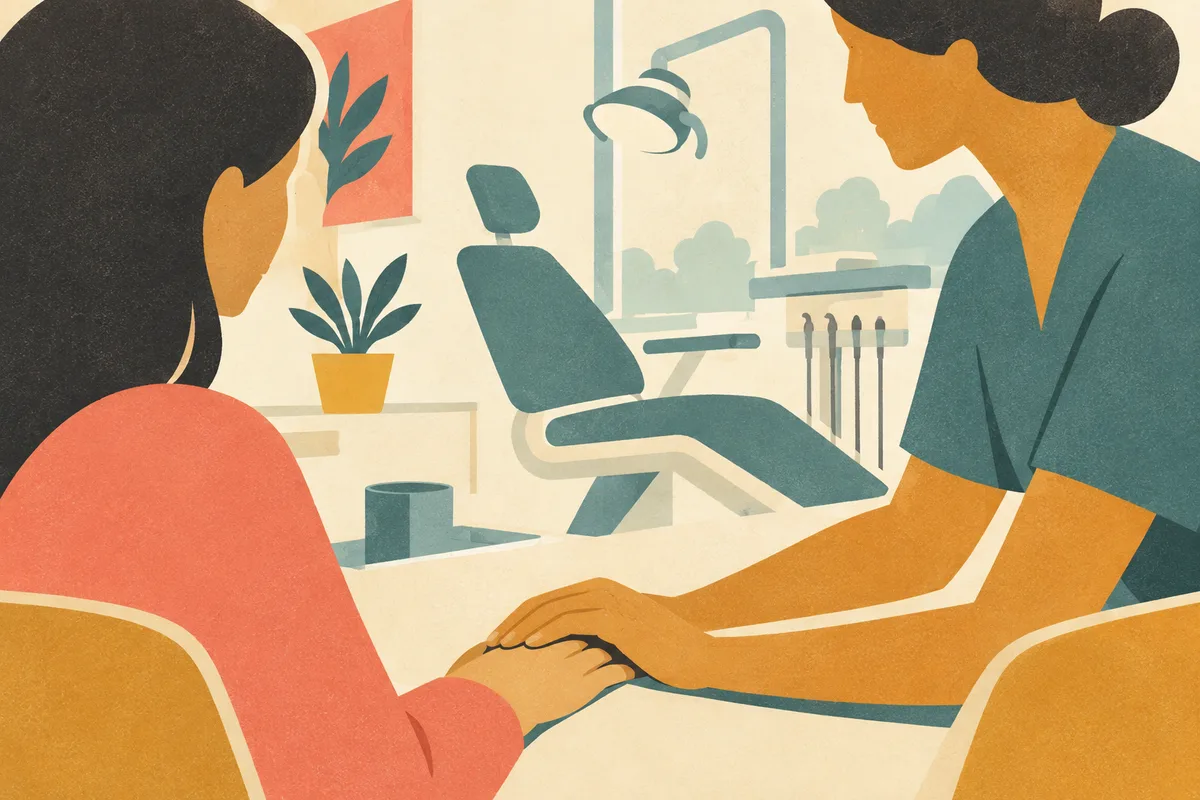
Nervous About the Dentist? You're Not Alone
If your stomach tightens at the thought of a dental appointment, you are far from alone. Many people carry some level of worry about visiting the dentist, whether it comes from a rough experience years ago, a fear of needles, or simply not knowing what to expect. That worry is real, and it makes sense.
The good news is that dentistry has changed a great deal over the years. The tools, techniques, and approach to patient comfort used today look very different from what many adults remember from childhood. Understanding what has changed, and having a few strategies ready, can make the whole experience feel much more manageable.
Why So Many People Feel Nervous
Dental anxiety often starts early. A single uncomfortable visit as a child can shape how someone feels about the dentist for the rest of their life, even after their adult experiences are much smoother. Fear of pain, fear of the unknown, and a general sense of losing control while sitting in the chair are some of the most common reasons people feel uneasy.
For some, it is the sounds and smells of a dental office that bring back old memories. For others, it is simply the idea of someone working close to their face and mouth. None of these reactions are unusual, and none of them mean something is wrong with you. Dental teams are used to working with nervous patients and understand that a calm, patient approach makes a real difference.
How Dental Visits Have Changed
Many of the memories that make people anxious come from decades-old equipment and techniques that are simply not used anymore. Modern dental tools tend to be quieter and gentler, and numbing techniques have improved so that most procedures feel far less intense than what older patients may remember.
Communication has also changed. Dentists and hygienists today generally explain each step before they begin, so there are fewer surprises during a visit. If something is going to feel like pressure or vibration, you will usually be told ahead of time, which can make the whole experience feel less unpredictable.
Routine visits like cleanings and exams are also shorter and more comfortable than many people expect. For most patients, a regular checkup is a quick, straightforward appointment rather than the drawn-out ordeal they may be picturing.
Ways to Make Your Visit Easier
One of the simplest things you can do is speak up. Telling your dental team that you feel nervous, or explaining what specifically worries you, allows them to adjust their approach and pace to fit your comfort level. There is no need to push through in silence.
Bringing headphones to listen to music or a podcast during your appointment can help take your mind off the sounds around you. Some patients also find it helpful to schedule appointments earlier in the day, before nervous anticipation has a chance to build.
Breathing slowly and steadily during the appointment, and agreeing on a simple hand signal with your dentist to pause if you need a break, can also help you feel more in control. Even small steps like these can shift the entire tone of a visit.
You Do Not Have to Face It Alone
At Brighton Family Dentistry in Brooklyn, NY, we see nervous patients regularly, and we take that seriously. Whether you need a routine cleaning and exam, a filling, or more involved care like a root canal or restorative work, our goal is to walk you through the process at a pace that feels right for you.
If you have avoided the dentist for a while because of anxiety, know that catching up on care does not have to happen all at once. Many patients start with a simple exam and conversation, and build from there as they feel more comfortable.
If you have questions about what a visit will involve, or want to talk through your concerns before booking an appointment, give us a call. A short conversation ahead of time can often ease a lot of the worry, and our team is happy to talk with you about what to expect.
Questions about your own care? The team at Brighton Family Dentistry is happy to help — call us at (718) 555-0142 or request an appointment.
This content is for general information only and isn't dental or medical advice. Talk with your dentist or orthodontist about your own situation. If you have a medical emergency, call 911.